August 28, 2026
The role of siding in home protection is crucial, yet often underestimated. As the first line of defense against rain, wind, sunlight, temperature changes, and other environmental conditions, siding helps safeguard the structural integrity of homes while contributing to their aesthetic appeal. Professional siding services can help homeowners select, install, repair, and maintain exterior materials that are appropriate for local weather conditions and the design of the property. Understanding the significance of siding materials, installation practices, and routine maintenance allows homeowners to make informed decisions that support longevity, comfort, and property value. A well-maintained exterior can also reduce the likelihood that minor weather exposure develops into more extensive damage behind walls or around vulnerable openings.
Siding Materials and Home Protection
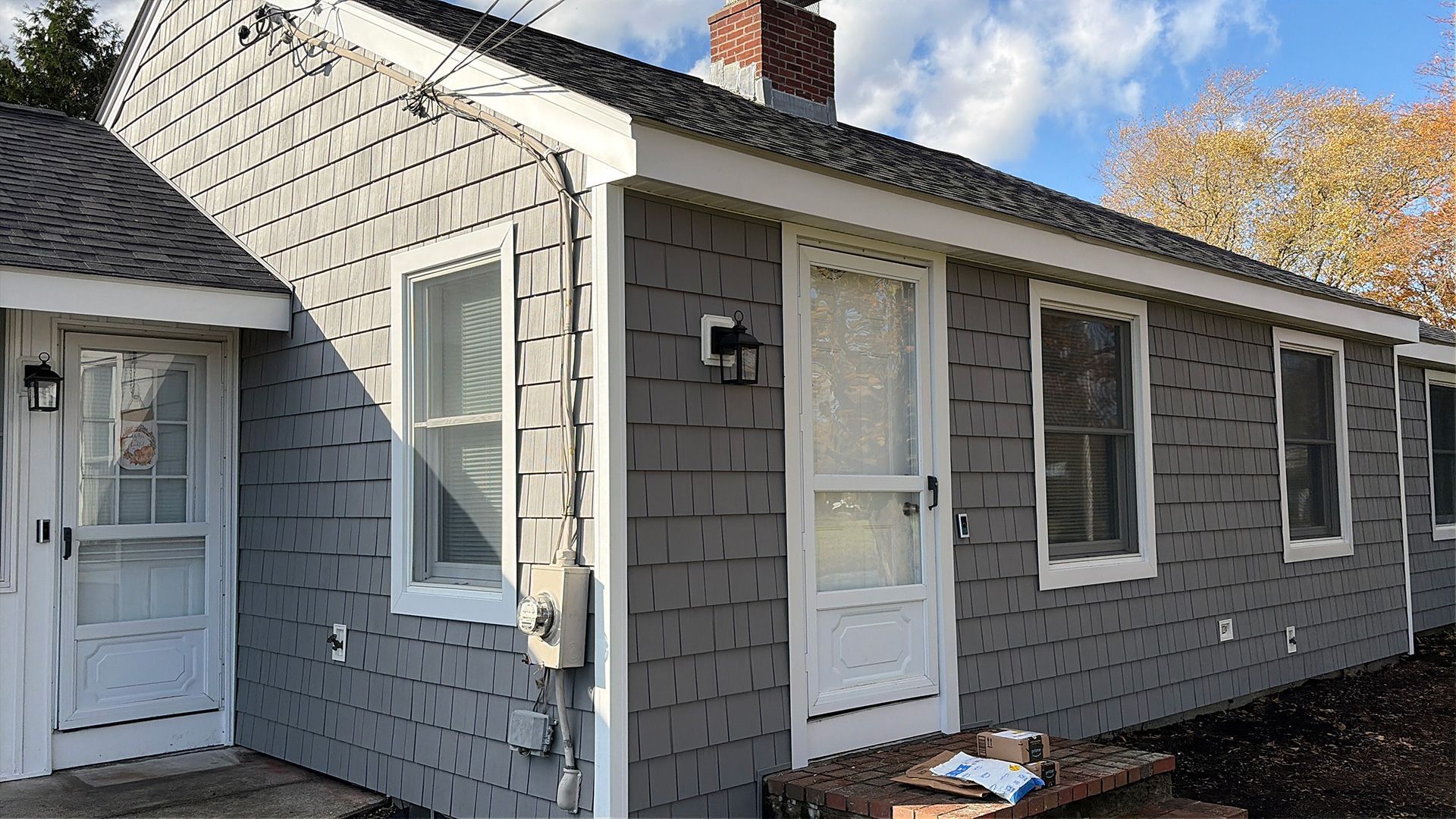
Siding acts as a protective barrier between a home's structural components and the surrounding environment. It helps shield exterior walls from moisture, wind, temperature extremes, and debris that may otherwise contribute to gradual deterioration. When siding is properly installed, it directs water away from vulnerable areas while helping protect sheathing and other underlying materials. It can also contribute to thermal performance by reducing unwanted air movement through the building envelope. In addition to these functional benefits, siding is available in numerous textures, profiles, and finishes, allowing homeowners to coordinate exterior protection with the architectural character of their properties.
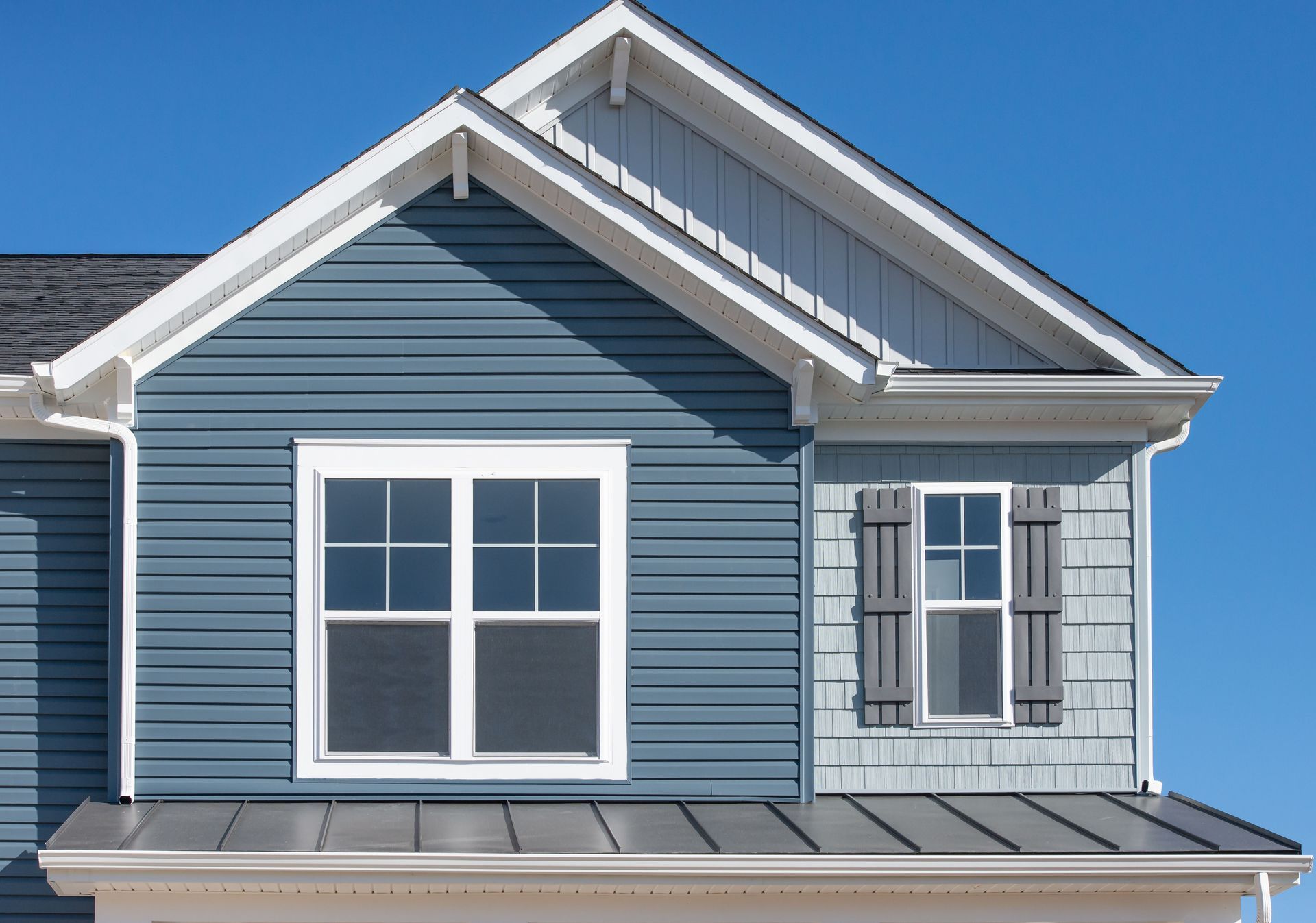
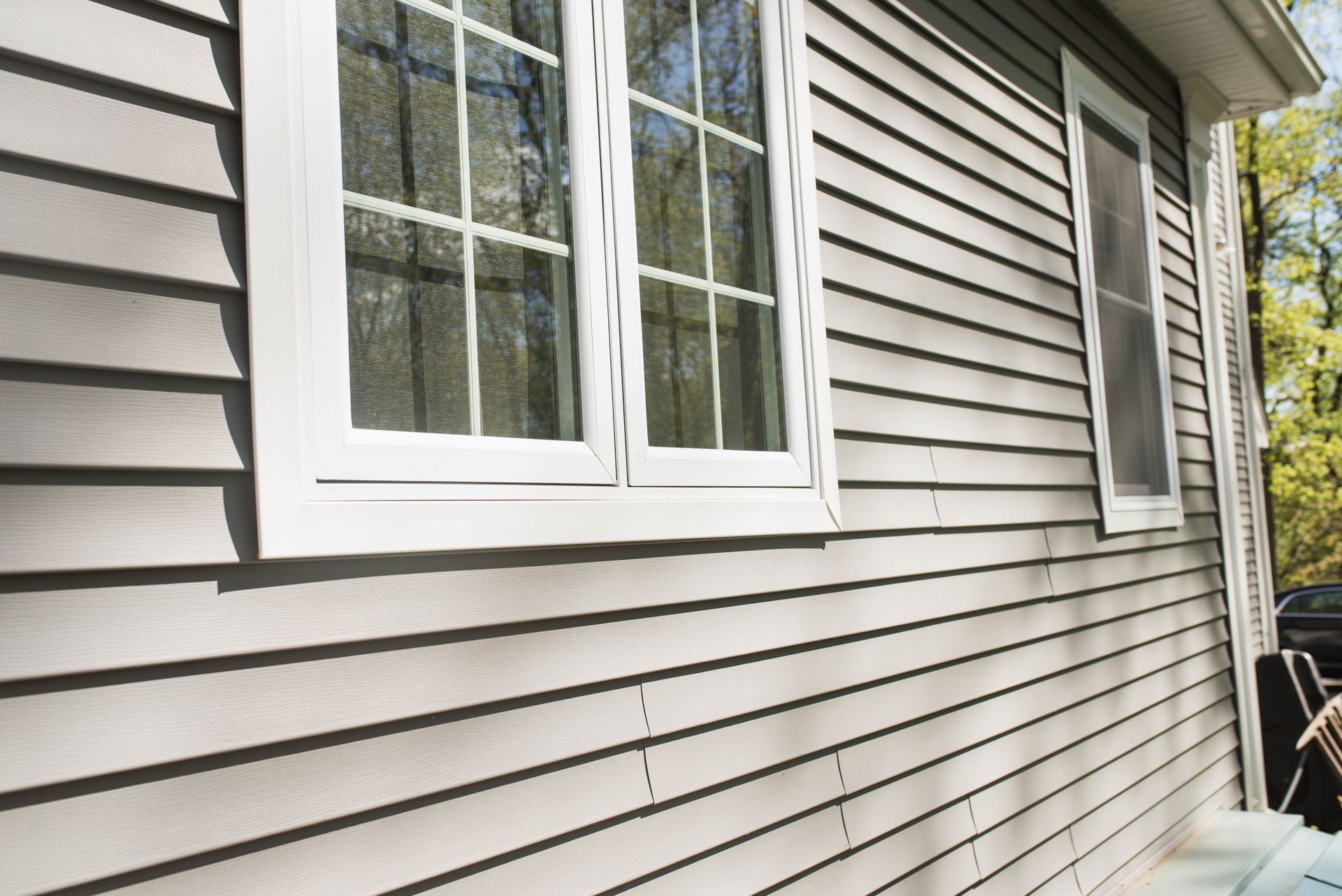
Several materials are commonly used for residential siding, and each has different maintenance requirements and performance characteristics. Vinyl is widely selected because it requires relatively little routine maintenance and is available in numerous colors and styles. Wood offers a traditional appearance but generally needs periodic staining, painting, or sealing to limit moisture-related deterioration. Fiber cement provides another durable option and can resist many common environmental threats when correctly installed. Aluminum, engineered wood, brick veneer, and stone veneer may also be appropriate depending on the home's construction, climate, budget, and desired appearance. Comparing these characteristics helps homeowners select materials suited to their particular circumstances.
Weather Exposure and Exterior Damage
Water is one of the most persistent threats to residential exteriors. Wind-driven rain can enter gaps, cracks, poorly sealed joints, and damaged areas, potentially reaching the materials beneath the exterior surface. Repeated moisture exposure may contribute to rot, staining, deterioration, or mold growth if water becomes trapped. Professional siding services can address vulnerable areas through appropriate installation methods, flashing, sealing, and repairs. Maintaining a continuous exterior barrier is especially important around windows, doors, roof intersections, utility penetrations, and other locations where water may find a path into the wall assembly.
Wind can create a different set of challenges. Strong gusts place pressure on exterior panels and may loosen materials that are improperly secured or already damaged. Flying branches and other debris can also dent, crack, or puncture certain siding products during storms. Installation techniques should therefore account for the manufacturer's fastening requirements as well as expected environmental conditions. Following appropriate fastening patterns and leaving necessary allowances for material expansion can improve performance. After severe weather, homeowners should visually inspect exterior walls for loose sections, cracks, gaps, missing pieces, or other indications that repairs may be needed.
Temperature Changes and Seasonal Conditions
Sunlight and heat can gradually affect exterior materials through fading, expansion, drying, and other forms of weathering. Some products are manufactured with finishes or formulations designed to improve resistance to ultraviolet exposure. Selecting suitable materials can be particularly important for walls receiving prolonged direct sunlight. Siding may also support indoor comfort when it is incorporated into a properly designed wall assembly with insulation, weather barriers, and adequate sealing. Although siding alone does not determine a home's energy efficiency, its installation can influence how effectively the overall exterior envelope manages outdoor conditions.
Cold weather creates additional concerns because repeated freezing and thawing can affect materials and existing defects. Water that enters a small opening may freeze, expand, and make the opening larger over time. Temperature fluctuations can also cause siding materials to expand and contract, making correct installation spacing particularly important. Homeowners in colder climates should inspect their exteriors before winter for cracks, loose panels, failed sealant, and other vulnerable areas. Addressing small defects before extended freezing conditions arrive can reduce opportunities for moisture penetration and progressive deterioration.
Installation Quality and Long-Term Performance
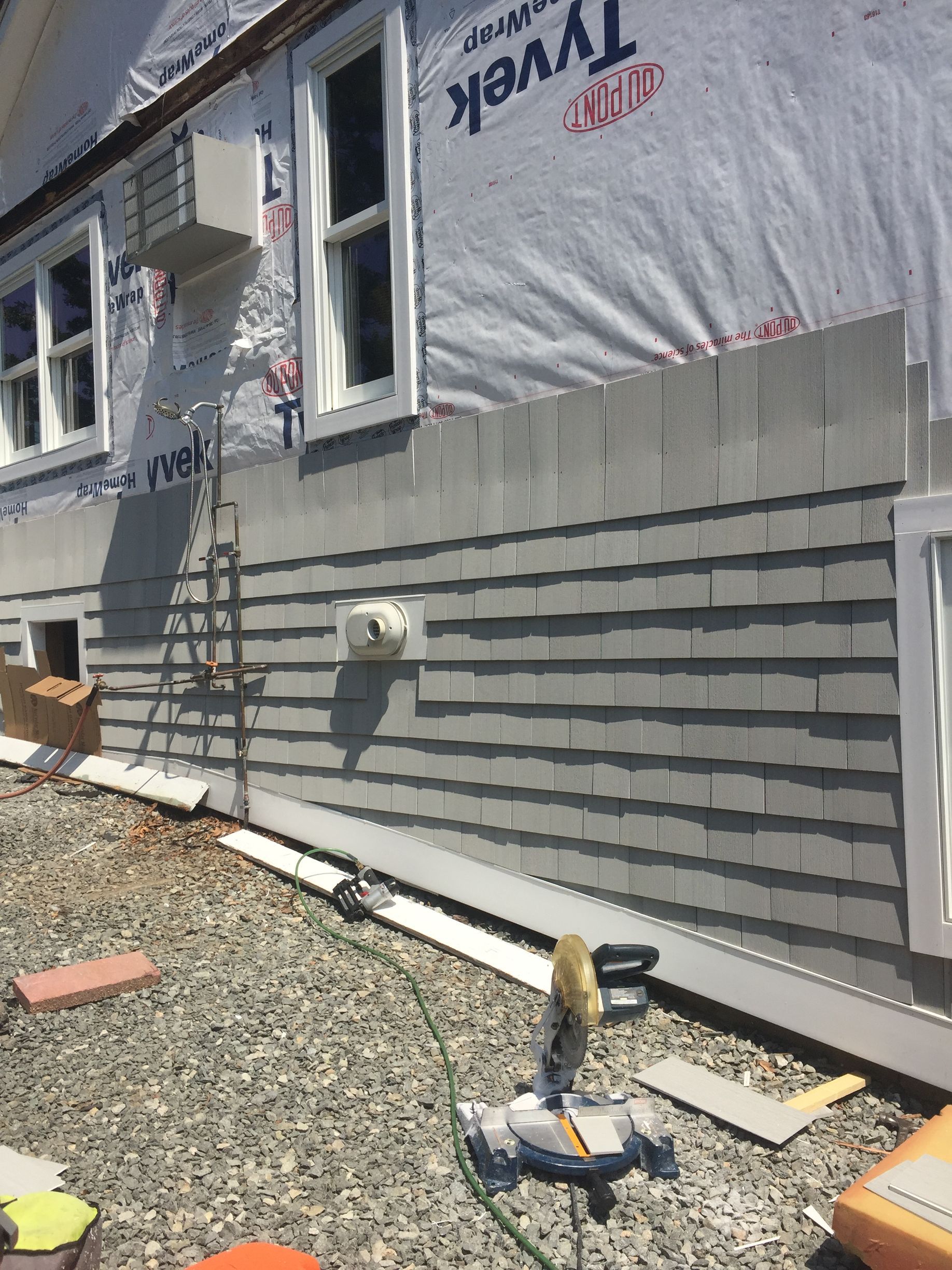
The effectiveness of exterior cladding depends on more than the material itself. Correct preparation, flashing, fastening, alignment, ventilation, and sealing all influence how siding performs after installation. Professional siding services can evaluate the existing exterior and determine whether underlying damage should be repaired before new material is installed. Contractors can also account for windows, doors, corners, utility penetrations, and transitions between materials. Careful workmanship helps create a more consistent exterior system and reduces the likelihood that installation defects will create openings for moisture or wind.
Installation quality can also affect future maintenance requirements. Panels that are improperly fastened may buckle, loosen, or become damaged as temperatures change. Poorly handled joints can allow water to reach underlying components, while incorrect flashing may direct moisture toward rather than away from vulnerable areas. These problems may remain unnoticed until visible staining or deterioration develops. Thorough installation therefore provides benefits that extend beyond appearance. Homeowners evaluating contractors should ask how installers address water management, manufacturer specifications, wall preparation, and weather-resistant barriers before work begins.
Energy Efficiency and Exterior Insulation
Siding can contribute to thermal performance when combined with appropriate insulation and air-sealing measures. Insulated siding products or rigid insulation installed beneath certain exterior systems can increase thermal resistance and reduce heat transfer through wall assemblies. During winter, these measures may help retain conditioned indoor air, while during summer they can help limit heat transfer from outside. The effectiveness of these improvements varies according to the existing construction, insulation levels, installation quality, and local climate.
Homeowners considering siding services may want to discuss whether exterior insulation improvements make sense during a replacement project. Because existing siding must already be removed during many projects, the work can create an opportunity to inspect sheathing, repair damaged areas, improve weather barriers, and address insulation deficiencies. Coordinating these improvements may be more practical than attempting them separately later. Evaluating the complete wall system rather than focusing exclusively on the visible exterior material can result in a more comprehensive approach to weather protection.
Maintenance and Early Damage Detection
Routine inspections are essential for identifying siding problems before they become extensive. Homeowners can periodically walk around the property and look for cracks, warping, loose panels, damaged joints, discoloration, peeling finishes, or signs of moisture. Particular attention should be given to areas near windows, doors, gutters, downspouts, rooflines, and landscaping because these locations may experience concentrated water exposure. Vegetation should generally be kept from pressing directly against exterior walls, while gutters and drainage systems should direct water away from the structure.
Cleaning requirements depend on the siding material and manufacturer recommendations. Mild cleaning may remove dirt, pollen, mildew, and organic buildup before these substances become difficult to manage. Excessive pressure, however, can force water behind siding or damage certain materials, so homeowners should use methods appropriate for their specific exterior. Professional siding services can assist when damage, persistent staining, loose materials, or uncertain maintenance requirements are discovered. Regular attention helps homeowners identify developing problems while repairs are still relatively limited in scope.
Homeowners considering new siding, repairs, or routine maintenance should evaluate the complete exterior system rather than appearance alone. Working with qualified siding services can help identify appropriate materials, correct installation requirements, and maintenance strategies based on the property's construction and local environmental conditions. With consistent care and prompt attention to developing problems, siding can provide dependable weather protection while preserving the appearance, comfort, and long-term value of a home. Contact our team at Rhode Island Remodeling today and learn more about our siding services.